



-
 Sale!Add to basket
₨22,500.00Original price was: ₨22,500.00.₨19,500.00Current price is: ₨19,500.00. -
 Sale!Add to basket
₨28,999.00Original price was: ₨28,999.00.₨23,500.00Current price is: ₨23,500.00. -
 Sale!Add to basket
₨28,999.00Original price was: ₨28,999.00.₨24,500.00Current price is: ₨24,500.00. -
 Sale!Add to basket
₨28,999.00Original price was: ₨28,999.00.₨23,500.00Current price is: ₨23,500.00. -
 Sale!Add to basket
₨42,500.00Original price was: ₨42,500.00.₨37,500.00Current price is: ₨37,500.00. -
 Sale!Add to basket
₨28,999.00Original price was: ₨28,999.00.₨24,500.00Current price is: ₨24,500.00. -
 Sale!Add to basket
₨29,500.00Original price was: ₨29,500.00.₨26,500.00Current price is: ₨26,500.00. -
 Sale!Add to basket
₨15,500.00Original price was: ₨15,500.00.₨11,560.00Current price is: ₨11,560.00. -
Sale!Add to basket
₨15,500.00Original price was: ₨15,500.00.₨11,560.00Current price is: ₨11,560.00. -
 Sale!Add to basket
₨15,200.00Original price was: ₨15,200.00.₨13,500.00Current price is: ₨13,500.00. -
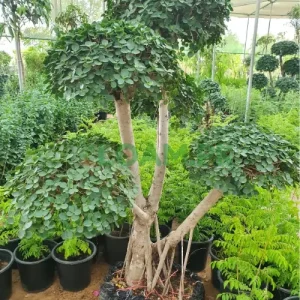 Sale!Add to basket
₨29,500.00Original price was: ₨29,500.00.₨25,200.00Current price is: ₨25,200.00.
So you’ve seen those tiny perfect trees in movies. Maybe at a fancy restaurant. Or scrolling through Instagram. And you thought “I want one of those.” Well, you’re in the right place, but let’s get real about bonsai before you buy.
Bonsai isn’t a type of tree. It’s not some special dwarf species. It’s regular trees – ficus, jade, elm – grown small through careful pruning and training. Think of it as tree sculpture. Living art that you shape over time.
At Loam.pk, we sell actual bonsai trees in Pakistan that are already trained and ready for your home or office. No fake plastic nonsense. Real trees, real roots, real growth. Some are perfect for complete beginners. Others are for people who’ve kept plants alive for more than a month.
We’ll tell you exactly which is which. Because the last thing you need is to spend money on a tree that’s too advanced for your skill level, only to watch it slowly die on your desk.
Bonsai Tree Prices in Pakistan (Let’s Talk Money First)
Everyone wants to know the price before anything else, so here it is straight up:
Starter bonsai trees: Rs. 2,500 – 5,000 These are young trees, already shaped but still developing. Perfect for beginners who want to learn without breaking the bank. Usually ficus or jade varieties.
Medium mature bonsai: Rs. 6,000 – 15,000 More established trees with visible character. Thicker trunks, better branch structure. These look like actual bonsai, not just small plants.
Premium aged bonsai: Rs. 20,000 – 50,000 Older trees with significant trunk thickness and refined shapes. These are statement pieces. The kind that make people stop and stare.
Collector specimens: Rs. 60,000+ Rare varieties, imported trees, or locally grown bonsai with exceptional age and styling. For serious enthusiasts only.
The bonsai tree price in Pakistan depends on three main things: age (older trees cost more), species (some are rarer than others), and training (well-styled trees command higher prices).
Real Bonsai Trees vs Fake Ones (Know the Difference)
There are real bonsai trees and there are fake bonsai trees sold in Pakistan. Here’s how to tell them apart:
Real bonsai trees:
- Actual living plants that need water, light, and care
- Grow new leaves and branches over time
- Have real roots growing in the soil
- Change with seasons (some varieties)
- Require regular maintenance and pruning
- Last for decades if cared for properly
Fake/artificial bonsai:
- Made from plastic, silk, or synthetic materials
- Never need water (because they’re not alive)
- Collect dust
- Look okay from a distance, terrible up close
- Don’t grow, change, or do anything
- Cheaper but completely miss the point
We only sell real bonsai trees at Loam.pk. If you want something with zero maintenance, get a plastic plant from a home decor shop. But if you want the actual experience of caring for and shaping a living tree – that’s what we’re here for. Looking for other live plants? Check our indoor plants collection for easy-care options.
Indoor Bonsai Trees (For Your Home, Office, or Apartment)
Most people in Pakistan want indoor bonsai because honestly, where else are you going to keep it? Your living room, office desk, or bedroom are perfect spots. Just pick the right species.
Ficus Bonsai (The Absolute Beginner’s Choice)
This is the bonsai tree everyone should start with. Ficus trees are ridiculously forgiving. Forgot to water it for a few days? It’ll survive. Not enough light? It’ll cope. Accidentally pruned the wrong branch? It’ll grow back.
Ficus bonsai comes in different styles:
- Ficus Retusa – Classic S-shaped trunk, small oval leaves
- Ficus Ginseng – Thick bulbous trunk that looks ancient
- Ficus Microcarpa – Dense foliage, great for creating fuller canopies
Why beginners love it:
- Tolerates indoor conditions better than almost any other bonsai
- Bounces back from mistakes
- Grows relatively fast (you’ll see changes)
- Doesn’t mind occasional missed waterings
- Available year-round in Pakistan
Jade Bonsai (For People Who Kill Everything)
If you’ve never successfully kept a plant alive, start with jade. It’s technically a succulent, which means it stores water in those thick, fleshy leaves. You can forget about it for two weeks and it’ll be absolutely fine.
Jade grows slowly, which is actually perfect for bonsai. You’re not constantly chasing runaway growth. A little pruning here and there keeps it shaped nicely.
What makes jade perfect for beginners:
- Needs water maybe once a week, sometimes less
- Thrives on neglect (seriously)
- Doesn’t need much fertilizer
- Difficult to kill through underwatering
- Can handle various light conditions
Chinese Elm Bonsai (For Learning Actual Techniques)
Once you’ve kept a ficus or jade alive for a few months, Chinese elm is the next step. This tree teaches you real bonsai techniques – wiring, proper pruning, seasonal care.
Chinese elm has tiny leaves that look perfectly proportioned on the small branches. It grows predictably, which makes it great for learning to shape. And it’s still pretty forgiving of mistakes.
Why it’s a great “second bonsai”:
- Teaches you proper bonsai maintenance
- Responds well to wiring and shaping
- Beautiful fine branching structure
- Can live indoors or outdoors
- Develops impressive trunk character over time
The leaves are small, serrated, and turn nice colors in fall if you keep it outdoors. Indoors it stays green year-round.
Light needs: Bright indirect light indoors, or partial sun outdoors. Not as tolerant of low light as ficus.
Umbrella Tree / Schefflera Bonsai (The Fast Grower)
Want to see quick results? Umbrella tree bonsai grows fast. Like, noticeably fast. You’ll be pruning it regularly, which is perfect if you want to practice your shaping skills often.
The leaves grow in a whorl pattern – multiple leaves radiating from one point like an umbrella (hence the name). It has a tropical look that works well in modern interiors.
Good for:
- People who want visible progress
- Practicing pruning techniques frequently
- Tropical-style decor
- Offices or commercial spaces
Outdoor Bonsai Trees for Pakistan
If you have a balcony, terrace, or garden, outdoor bonsai opens up more options. Some trees actually need to be outside – they require seasonal temperature changes to stay healthy.
Bougainvillea Bonsai (Color Explosion in Miniature)
Picture a bougainvillea but tiny. That’s bougainvillea bonsai. You get the vibrant pink, purple, red, or orange flowers (technically colorful bracts) on a miniature tree.
Why it’s amazing:
- Flowers almost year-round in Pakistan’s climate
- Handles our intense heat perfectly
- Drought-tolerant once established
- The thorny branches add character
- Available in multiple colors
The catch: Needs full sun – at least 6 hours daily. Won’t flower properly in shade. And the thorns make wiring tricky, so it’s usually shaped through pruning.
Best for: Rooftops, sunny balconies, garden displays. Not an indoor bonsai. Shop our [bougainvillea bonsai trees for sale](internal-link: bougainvillea-bonsai) in various colors and sizes.
Ficus Outdoor Varieties (Year-Round Options)
Yes, ficus again. But outdoor ficus varieties like Ficus religiosa (peepal) or Ficus benghalensis develop amazing aerial roots that look spectacular in bonsai form.
These can handle Pakistan’s outdoor conditions – heat, monsoon, dust, all of it. They grow faster outdoors than indoors, which means more frequent pruning but also quicker development.
Pomegranate Bonsai (Fruit on a Tiny Tree)
Want a bonsai that produces actual fruit? Pomegranate works surprisingly well. You get flowers, then tiny pomegranates on a tree that fits on your table.
It’s not the easiest bonsai, but it’s absolutely worth it when those miniature pomegranates appear.
How to Actually Care for Your Bonsai (The Essential Stuff)
Bonsai care isn’t complicated. It just requires consistency. Here’s what actually matters:
Watering (Most Important Thing): Stick your finger in the soil. Top inch dry? Water it thoroughly until water drains from the bottom. Still moist? Leave it alone. In summer you might water daily. In winter, maybe every 3-4 days. The frequency changes – the method doesn’t.
Don’t mist the leaves thinking that counts as watering. It doesn’t. Water needs to reach the roots.
Light (Second Most Important): Most indoor bonsai need bright indirect light. Near a window works. Too far from any light source? They’ll struggle. If your space is dark, consider grow lights or pick [low light indoor plants](internal-link: low-light-plants) instead.
Pruning (What Makes It Bonsai): This is how you keep it small and shaped. When new growth extends beyond your desired shape, trim it back. For most trees, you can prune any time during growing season. It’s not scary – the tree wants to grow, you’re just directing where.
Fertilizing (Food for Growth): During growing season (spring through summer), feed your bonsai monthly with diluted liquid fertilizer. In winter, most trees rest – don’t fertilize then. Check our [organic fertilizers](internal-link: fertilizers) for bonsai-suitable options.
Repotting (Every 2-3 Years): Eventually your bonsai will outgrow its pot – specifically, the roots will fill the space. Every 2-3 years, take it out, trim the roots, refresh the soil, put it back. Spring is the best time for this.
Common Bonsai Mistakes (Learn from Others’ Pain)
Overwatering: More bonsai die from too much water than too little. That shallow pot doesn’t hold much soil, so it can’t absorb excessive water. The roots rot. Use the finger test, always.
Wrong pot size: A bonsai needs a relatively shallow pot, but not comically tiny. The pot should be about 2/3 the height of the tree. Too small and the tree can’t get enough water and nutrients.
Indoor trees going outside: If your ficus has been living indoors, don’t suddenly move it to full outdoor sun. It’ll get sunburned. Trees need to acclimate gradually.
Outdoor trees going inside: Same problem in reverse. Juniper and other outdoor species NEED winter cold. Bringing them inside permanently kills them eventually.
No drainage holes: A bonsai pot without drainage holes is a death sentence. Water needs somewhere to go. Always ensure proper drainage, just like with [container plants](internal-link: container-plants).
Bonsai as Gifts (When and Why It Works)
Bonsai makes a meaningful gift for:
- Housewarming (something that grows with the new home)
- Corporate gifts (classier than generic plant pots)
- Retirement (a hobby that fills time meaningfully)
- Anniversaries (symbolizes lasting relationship and growth)
We can add a gift note to your order and pack it carefully for gifting. Just specify in the order notes.
Why Buy from Loam.pk?
We actually know bonsai. We’re not just selling plants – we understand the techniques, the care requirements, the common problems. When you have questions (and you will), we have answers.
Honest about difficulty levels. If a tree is advanced-level, we’ll tell you. No point selling you something you can’t keep alive.
Healthy trees only. Every bonsai gets checked before shipping. We don’t send out sick or weak trees.
Real photos. What you see is what you get. No stock photos of perfect specimens.
Pakistan-tested varieties. We only stock trees that handle our climate. No imported varieties that die in Karachi’s summer.
Care support included. Stuck with a problem? WhatsApp us. We’ll help you figure it out.
Start Your Bonsai Journey
Ready to buy a bonsai tree? Start with ficus or jade if you’re new. Go for bougainvillea if you have a sunny outdoor spot. Pick Chinese elm if you want to learn proper techniques.
Don’t overthink it. These trees are tougher than you think. The worst thing you can do is not start because you’re worried about making mistakes. Everyone who’s good at bonsai now made plenty of mistakes early on.
Browse our complete bonsai collection and find the tree that speaks to you. Each listing shows the exact tree you’ll receive, the care level, and the price.
Order now. Start small. Learn as you go. Watch your tree develop over months and years.
That’s the real magic of bonsai – not that it’s a tiny tree, but that it’s a living thing you shape and improve over time. Way more satisfying than buying another houseplant that just sits there