Ever planted something that looked gorgeous at the nursery, brought it home, and watched it die within two weeks? Yeah, we’ve all been there. Welcome to outdoor gardening in Pakistan, where the weather is dramatic, the summers are brutal, and only the tough plants survive.
At Loam.pk, we’re not selling you dreams. We’re selling you plants that actually work in our climate. Plants that laugh at 45°C heat. Plants that handle sudden monsoons. Plants your grandmother probably grew because they’ve been thriving here for generations.
Whether you’re trying to cover that ugly wall with bougainvillea, want some shade from a neem tree, or just need something colorful that won’t die when you forget to water it – we’ve got you covered.
Why Outdoor Gardening in Pakistan Is Actually Challenging
Let’s be honest about something most nurseries won’t tell you: Pakistan’s climate is harsh on plants.
Summers where the ground is too hot to walk on barefoot. Monsoons that flood everything overnight. Dusty winds that coat leaves in grime. And soil that’s either sandy and drains too fast, or clay-like and holds water forever.
Plus, most of us have busy lives. Who has time to fuss over plants that need perfect conditions?
That’s why you need Pakistani-climate-approved plants. Not the fancy imported stuff that looks pretty in catalogs but dies in our heat. Real, tested varieties that your neighbors are already growing successfully.
The Actual Heroes of Pakistani Gardens
Bougainvillea (Because Walls Look Better Covered in Color)
If you’ve ever walked through DHA or Gulberg and seen those stunning walls covered in pink, purple, orange, or magenta flowers – that’s bougainvillea doing its thing.
This plant is practically indestructible. It loves our scorching heat. Actually prefers dry conditions. And once it starts climbing, it won’t stop until you make it stop.
What makes it perfect:
- Blooms almost year-round in our climate
- Drought tolerant (forget to water? It’s fine)
- Grows fast and covers large areas quickly
- Available in multiple colors – pick your favorite or mix them
- Thorny branches make it a natural security barrier
The catch? It needs strong support structures. Don’t plant it near your boundary wall unless you want it taking over. And those thorns are serious – wear gloves when pruning.
Where it works best: Covering walls, fences, gates, pergolas, or growing in large pots on rooftops.
Jasmine / Motia (For That Evening Fragrance)
Walk outside on a summer evening and smell that sweet, intoxicating fragrance? That’s jasmine. Specifically, motia or mogra as we call it.
This plant is special in Pakistani culture. Used in garlands, religious ceremonies, and honestly just makes your garden smell amazing. The white flowers bloom in warm weather and the scent carries across your entire yard.
What you’ll love:
- Incredible natural fragrance
- Grows well in most Pakistani cities
- Can be kept as a bush or trained as a climber
- Flowers used in traditional garlands and decorations
- Relatively easy to maintain
Jasmine likes regular watering and doesn’t appreciate being dried out completely. It prefers bright indirect light – too much direct harsh sun can burn the leaves.
Perfect for: Corner spots in gardens, near seating areas where you can enjoy the fragrance, or in large pots on balconies.
Neem Tree (Plant It Now, Thank Yourself in 5 Years)
This is an investment tree. It won’t give you instant gratification, but your future self will be grateful.
Neem grows fast for a tree. Within 3-4 years you’ll have decent shade. Within 5-7 years, you’ll have a proper tree that cools your entire yard. Plus every part of this tree is useful – the leaves are medicinal, the twigs are used for dental care, and it naturally repels mosquitoes.
Why people plant neem:
- Fast-growing shade tree
- Handles extreme heat and drought once established
- Natural mosquito and insect repellent
- Medicinal properties (neem leaves, oil, bark)
- Low maintenance after the first year
The downside? It drops leaves seasonally and can be a bit messy. But honestly, the benefits far outweigh the cleanup.
Best planted: In open lawn areas, near boundary walls, or anywhere you need future shade.
Hibiscus (The Everyday Bloomer)
Want flowers basically every day? Plant hibiscus. This shrub flowers almost continuously in our climate with minimal effort from you.
The large, showy flowers come in reds, pinks, oranges, yellows, and whites. Each flower only lasts a day, but the plant produces them constantly. Plus the flowers are edible and used in herbal teas.
What’s great about it:
- Flowers year-round in coastal areas, spring through fall elsewhere
- Low maintenance once established
- Attracts butterflies and hummingbirds
- Available in tons of colors and varieties
- Can be kept as a bush or small hedge
Hibiscus likes regular watering and sunshine. It’s not as drought-tolerant as bougainvillea, so don’t neglect it for weeks.
Works well as: Border plants, hedge rows, standalone bushes, or large pot specimens.
Aloe Vera (The Plant That Refuses to Die)
Burned your hand while cooking? Cut off an aloe leaf and use the gel. Sunburn? Aloe. Skin irritation? Aloe. This plant is basically a pharmacy that you water occasionally.
Aloe vera is a succulent, which means it stores water in those thick leaves. You can forget about it for weeks and it’ll be fine. Perfect for people who kill everything they plant.
Why it’s everywhere:
- Medicinal gel inside the leaves (actually works)
- Needs water maybe once every 10-15 days
- Multiplies on its own – you’ll have baby aloes to share
- Handles full sun or partial shade
- Basically unkillable
The only way to kill aloe vera is overwatering. Seriously, leave it alone and it’ll thrive.
Plant it: In pots, in ground, in dry corners, anywhere with decent drainage.
Portulaca / Gul-e-Dupeher (Summer’s Most Cheerful Flower)
These low-growing flowering plants are summer champions. They bloom their heads off in the worst heat, need minimal water, and come in the brightest colors you can imagine.
In Urdu, it’s called “Gul-e-dupeher” (flower of the afternoon) because the flowers open in sunlight and close in shade. The newer varieties stay open longer.
Perfect for:
- Ground cover in hot, dry areas
- Hanging baskets that get full sun
- Filling gaps between paving stones
- Places where nothing else will grow
- Adding instant color to summer gardens
Portulaca spreads on its own and self-seeds everywhere. Plant it once and you might have it forever.
Canna Lilies (The Bold Statement Plant)
Want something tropical-looking that survives Pakistani summers? Canna lilies are your answer.
Huge paddle-shaped leaves in green, burgundy, or variegated patterns. Big, showy flowers in reds, oranges, yellows. And they grow tall – some varieties reach 5-6 feet.
What makes them special:
- Heat tolerant and actually prefer warm weather
- Flowers continuously through summer
- Dramatic foliage even when not flowering
- Grows from rhizomes (easy to propagate and share)
- Works in ground or very large pots
They like moisture more than most plants on this list, so regular watering is important during growing season.
Best used as: Background plants in flower beds, focal points, or tropical-style garden corners.
Plants for Specific Needs
Need Shade Fast? Plant These Trees:
- Neem – Fast-growing, useful, drought-tolerant
- Kikar (Acacia) – Extremely hardy, handles poor soil
- Jamun (Black Plum) – Edible fruit plus shade
- Sheesham – Dense canopy, beautiful wood
- Arjun – Medicinal tree, tolerates heat
Want Fragrance? Try These:
- Jasmine (Motia/Chameli) – Classic evening scent
- Raat ki Rani – Night-blooming, intense fragrance
- Frangipani (Champa) – Tropical flowers with amazing scent
- Gardenia – White flowers, needs more care but worth it
Looking for Flowering Climbers?
- Bougainvillea – The obvious champion
- Rangoon Creeper – Flowers change color as they age
- Flame Vine – Orange flowers, loves heat
- Morning Glory – Annual, grows super fast from seed
Low Maintenance Ground Cover:
- Portulaca – Colorful, heat-loving, self-seeding
- Lantana – Tough as nails, flowers continuously
- Grass – Obviously, but choose the right variety for your area
- Creeping Thyme – Fragrant when walked on
Let’s Talk Real About Pakistani Seasons
March-May (Hot but Manageable): This is when you plant summer vegetables and warm-season flowers. Okra, tomatoes, eggplant, peppers all go in now. Flowering plants like zinnias, portulaca, and sunflowers too.
June-August (Extreme Heat + Monsoon): Nothing new gets planted. You maintain what you have. Water early morning or late evening. Pray your drainage is good because monsoon flooding kills more plants than drought.
September-October (Pleasant Weather): Best time for planting almost anything. Weather’s perfect, plants establish easily. This is when you plant your winter vegetables and cool-season flowers.
November-February (Cool to Cold): Winter vegetables thrive. Flowering annuals like petunias, pansies, snapdragons do beautifully. In northern Pakistan, protect sensitive plants from frost.
Honest Advice on Watering (Because This Is Where Most People Mess Up)
Summer: Water deeply but less frequently. Better to soak the soil once every 2-3 days than lightly sprinkle daily. Early morning watering is best – evening works too.
Monsoon: Cut back watering significantly. Let rain do the work. Only water if there’s an unexpected dry spell.
Winter: Most plants need very little water. Maybe once a week, sometimes less. Overwatering in winter causes more problems than underwatering.
The finger test: Stick your finger 2 inches into the soil. Dry? Water it. Still moist? Leave it alone. This simple test prevents most watering mistakes.
Soil Reality Check
Karachi’s soil is sandy – drains fast, holds almost no nutrients. Add compost regularly.
Lahore and Punjab generally have clay soil – holds water forever, gets hard when dry. Mix in sand and organic matter.
Islamabad soil varies, but many areas have rocky, shallow soil. Raised beds work better there.
Regardless of where you are, adding cow dung compost (easily available and cheap) improves any soil dramatically.
What Usually Kills Plants (Learn from Others’ Mistakes)
Overwatering – More plants drown than die of thirst. Pakistani summer heat makes people water too much. Don’t.
Wrong location – Putting shade plants in full sun, or sun-lovers in shade. Match the plant to the location.
Poor drainage – Water sitting around roots causes rot. Always ensure drainage.
Ignoring pests – That white stuff on leaves? That’s a problem. That yellowing? Also a problem. Deal with issues early.
Transplant shock – Moving plants during peak summer heat often kills them. Plant during cooler months when possible.
Start Simple, Grow From There
You don’t need a degree in botany. You don’t need expensive equipment. You just need to start with plants that work in our climate and learn as you go.
Pick 2-3 plants from this list. Plant them. Water them sensibly. See what happens. Then add more.
Every Pakistani gardener learned through trial and error. Every single one. The plants that survived became their favorites. The plants that died taught them lessons.
Your garden won’t look like those Instagram photos immediately. But give it time, pay attention, and you’ll figure out what works in your specific space.
Browse Our Outdoor Plants Collection
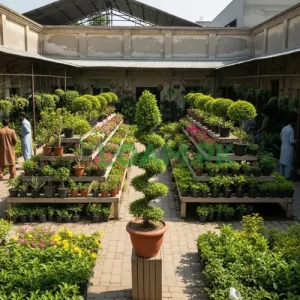
At Loam.pk, we only stock plants that we’d actually put in our own gardens. No fussy imports that need babying. Just solid, tested varieties that handle Pakistani weather.
From flowering climbers to shade trees, fragrant shrubs to colorful annuals – browse our collection and start building the outdoor space you actually want.
Order online. Get healthy plants delivered. Create a garden that survives.
Get It Now