


If you want plants that look incredible but don’t demand constant attention, succulents are your answer. These fleshy, water-storing beauties have taken over Instagram, design blogs, and plant collections worldwide – and for good reason.
At Loam.pk, we sell succulent plants that thrive in Pakistan’s climate. Whether you want tiny desk-sized rosettes, dramatic hanging succulent plants cascading from shelves, or robust outdoor varieties – we’ve got options that actually survive here.
No complicated care routines. No daily watering stress. Just gorgeous plants that store water in their leaves and forgive your inevitable mistakes.
Why Succulent Plants Work Perfectly in Pakistan
Pakistan’s climate might stress out roses and ferns, but succulents? They’re in their element. The heat, the dry air, the occasional water scarcity – succulents handle it all.
What makes succulents ideal for Pakistani homes:
- Drought-tolerant by nature (water storage in leaves/stems)
- Handle extreme heat better than most houseplants
- Thrive in low humidity (perfect for most of Pakistan)
- Require minimal care and attention
- Hundreds of varieties for every aesthetic preference
- Work indoors or outdoors depending on species
- Affordable and easy to propagate
Plus, succulents offer genuine health benefits. They purify indoor air, produce oxygen, and improve room aesthetics without overwhelming maintenance demands. Perfect for beginners, busy professionals, or anyone who’s killed every plant they’ve ever owned.
Browse our indoor plants in Pakistan to see how succulents complement other low-maintenance varieties.
Popular Succulent Plant Varieties
Echeveria (The Rose-Shaped Beauty)
Echeveria forms perfect rosettes that look like geometric flowers. They come in stunning colors – pastel pinks, purples, blues, greens, and even combinations with contrasting leaf edges.
Why Echeveria dominates succulent collections:
- Symmetrical rosettes in dinner-plate sizes to tiny 2-inch varieties
- Incredible color range intensifying with sun exposure
- Relatively fast-growing for succulents
- Produces tall flower stalks with colorful blooms
- Easy to propagate from leaves or offsets
Echeveria varieties range from common Echeveria elegans (ghost echeveria) with pale blue-green leaves to dramatic Echeveria ‘Black Prince’ with nearly black rosettes. Each variety has unique characteristics, but all share similar care requirements.
Growing Echeveria in Pakistan: Bright light (4-6 hours daily, more indoors). Well-draining cactus soil. Water when completely dry. They handle heat excellently but need protection from afternoon summer sun in hottest months. Perfect for containers or rock gardens.
Jade Plant (The Miniature Tree)
Jade plant (Crassula ovata) looks like a tiny tree with thick trunk and glossy, deep green oval leaves. It’s one of the longest-lived succulents – mature plants can last decades with proper care.
What makes jade plants special:
- Tree-like growth habit with woody trunk
- Symbolizes good luck in many cultures
- Incredibly forgiving of neglect
- Can reach 3-4 feet tall indoors with age
- Small pink or white star flowers on mature plants
Jade plants are nearly indestructible. They tolerate low light better than most succulents (though they prefer bright light). They forgive erratic watering. They survive being root-bound for years.
The catch: They’re toxic to pets. If you have cats or dogs that chew plants, choose different varieties.
Jade plant care: Bright indirect light (direct sun acceptable in cooler months). Water when soil completely dries – less in winter. Prune to maintain shape. Feed monthly during growing season.
Aloe Vera (The Useful One)
Everyone knows aloe vera. Those thick, spiky leaves contain gel used for burns, skin care, and countless home remedies. But beyond utility, aloe is an attractive succulent that grows easily indoors or out.
Why aloe vera is essential:
- Medicinal gel inside leaves (soothe burns, moisturize skin)
- Grows quickly compared to other succulents
- Produces “pups” (baby plants) readily
- Handles Pakistan’s heat beautifully
- Available in multiple varieties beyond the common one
Aloe comes in various forms – the familiar green medicinal aloe, striped tiger aloe, compact varieties, and larger tree-forming species. All are easy to grow.
Aloe care in Pakistan: Bright light essential (outdoors or sunny window). Water deeply but infrequently. Excellent drainage critical. Divide and share pups as they form.
Haworthia (The Low-Light Champion)
Small, spiky rosettes with distinctive white stripes or translucent “windows” on leaf tips. Haworthia is one of the few succulents that tolerates lower light levels, making it perfect for offices or dim rooms.
Perfect for:
- Desks without direct sun access
- Bathrooms with small windows
- Office cubicles under fluorescent lights
- Terrariums and small containers
- Beginners who inevitably place plants in dark corners
Haworthia stays compact (most varieties under 6 inches tall) and grows slowly. Popular varieties include Haworthia fasciata (zebra plant) with horizontal white stripes and Haworthia cooperi with translucent leaf tips.
Care requirements: Bright indirect light preferred, tolerates lower light. Water when dry. Avoid water on leaves (causes rot). Rarely needs repotting.
String of Pearls (The Hanging Star)
Trailing stems covered in small, perfectly round bead-like leaves. String of Pearls (Senecio rowleyanus) is the Instagram favorite – gorgeous in hanging baskets with stems cascading 3+ feet.
Why everyone wants String of Pearls:
- Unique bead-shaped leaves on trailing stems
- Dramatic cascading effect in hanging planters
- Small white flowers with cinnamon scent (when happy)
- Conversation starter wherever displayed
- Propagates easily from stem cuttings
The reality: String of Pearls is fussier than most succulents. The beads fall off easily when touched. It needs brighter light than people expect. It rots if overwatered but shrivels if too dry.
Growing successfully: Very bright indirect light (or some direct morning sun). Fast-draining soil absolutely critical. Water when beads start looking slightly wrinkled. Handle minimally to avoid bead drop. Patience required.
More on this in the hanging succulents section below.
Burro’s Tail / Donkey’s Tail (The Cascade)
Thick, braided-looking trails covered in overlapping plump blue-green leaves. Burro’s Tail (Sedum morganianum) creates stunning cascades in hanging baskets, with trails growing 3-4 feet long.
Perfect for:
- Hanging baskets indoors or on covered patios
- High shelves where trails can cascade down
- Mixed succulent arrangements needing trailing element
- Photographers seeking dramatic plant photos
The leaves fall off at the slightest touch, similar to String of Pearls but worse. Handle with extreme care when moving or repotting.
Care tips: Bright light with some direct sun. Water when completely dry. Don’t touch the trails unless necessary. Use sturdy containers (mature plants get heavy).
Sedum (The Ground Cover)
Huge genus with hundreds of species ranging from tiny ground covers to tall flowering varieties. Sedums are incredibly diverse and almost all are ridiculously easy to grow.
Popular Sedum varieties:
- Sedum morganianum (Burro’s Tail) – covered above
- Sedum rubrotinctum (Jelly Bean Plant) – chubby red-green “beans”
- Sedum nussbaumerianum (Coppertone Stonecrop) – golden-orange rosettes
- Sedum acre (Goldmoss) – tiny ground cover with yellow flowers
Most Sedums prefer full sun and turn vibrant colors (reds, oranges, purples) with sun stress. They’re drought-tolerant, cold-hardy (many species), and fast-growing compared to other succulents.
Growing Sedums: Full sun preferred. Water moderately when growing, less when dormant. Tolerates neglect beautifully. Propagates from leaves or stem cuttings.
Indoor Succulent Plants (Bring the Desert Indoors)
Indoor succulent plants need brighter light than most houseplants. That’s the main challenge. Place near south or west-facing windows for best results. If your home lacks bright natural light, consider grow lights.
Best indoor succulents for Pakistan:
- Jade plant – tolerates lower light better than most
- Haworthia – perfect for offices and dim spots
- Echeveria – stunning in bright windowsills
- Aloe vera – functional and beautiful
- Snake plant – technically a succulent, ultra low-light tolerant
- Christmas cactus – blooms indoors with proper care
Indoor care essentials: Water less than you think necessary. Indoor plants dry slower than outdoor. Check soil dryness before watering. Err on the side of underwatering.
Use pots with drainage holes. Terracotta works excellently for indoor succulents because it breathes and promotes faster drying.
Rotate plants occasionally for even growth. Dust leaves gently to maintain photosynthesis efficiency.
Explore our complete indoor plant collection featuring succulents alongside complementary varieties.
Hanging Succulent Plants (Drama from Above)
Hanging succulent plants add vertical dimension to plant displays. They work beautifully in small spaces where floor or shelf space is limited.
Popular trailing/hanging varieties:
String of Pearls (Senecio rowleyanus): Cascading stems with perfect round beads. Needs bright indirect light. Handle minimally. Water when beads slightly wrinkle.
String of Bananas (Senecio radicans): Similar to String of Pearls but hardier and easier to grow. Banana-shaped leaves instead of round beads. More forgiving of care mistakes.
String of Dolphins (Senecio peregrinus): Leaves shaped like jumping dolphins. Adorable novelty plant. Same care as String of Pearls.
Burro’s Tail (Sedum morganianum): Thick braided trails of plump leaves. Stunning when mature. Extremely fragile – leaves drop easily.
Fishhooks Senecio (Senecio radicans): Fish-hook shaped leaves on trailing stems. Hardier than String of Pearls. Grows fast and thick.
Trailing Jade (Senecio jacobsenii): Thick stems with larger leaves than string varieties. Blue-green coloring. Excellent ground cover or trailer.
Hanging succulent care: Bright light essential (most need 4-6 hours). Fast-draining soil critical. Water when soil completely dry. Handle gently during repotting. Use sturdy hangers (mature plants get heavy).
Pro tip: Put trailing succulents in a pillowcase before repotting to protect delicate stems. This prevents leaves falling off during handling.
Shop our [hanging basket collection](internal-link: hanging-baskets) perfect for trailing succulents.
Watering Succulent Plants (The Make-or-Break Skill)
Watering succulent plants correctly is the single most important care aspect. More succulents die from overwatering than all other causes combined.
The golden rule: When in doubt, don’t water.
Watering schedule by season (Pakistan climate):
Summer (April-September): Water every 7-10 days when soil completely dry. Outdoor succulents may need weekly watering in peak heat. Indoor succulents less frequent.
Winter (October-March): Water every 14-21 days or even less. Growth slows dramatically. Succulents enter semi-dormancy. Reduce water accordingly.
Monsoon season: Outdoor succulents may need zero supplemental water – rain provides enough. Indoor succulents continue normal schedule.
How to water correctly:
- Check soil dryness – stick finger 2 inches deep
- If dry, water thoroughly until water runs through drainage holes
- Let excess drain completely
- Never leave succulents sitting in water
- Wait until soil completely dries before next watering
Signs of overwatering:
- Yellowing, translucent leaves
- Soft, mushy stems
- Leaves falling off easily
- Black rot at base
- Fungal growth on soil
Signs of underwatering:
- Wrinkled, shriveled leaves
- Dried, crispy leaves
- Leaves curling inward
- Slow or no growth
Underwatering is fixable – just water. Overwatering often means the plant is already dying from root rot.
Water quality matters: Tap water works fine in most of Pakistan. If you have very hard water (Lahore, Islamabad in some areas), consider using filtered water occasionally to prevent mineral buildup.
Succulent Plant Care Basics
Light requirements: Most succulents need bright light. 4-6 hours direct sun for outdoor varieties. Bright indirect light minimum for indoor types. Some (like Haworthia) tolerate lower light.
Soil requirements: Fast-draining is non-negotiable. Use cactus/succulent-specific soil mix. Or make your own: 50% potting soil + 25% coarse sand + 25% perlite.
Never use regular potting soil alone – it retains too much moisture.
Pot selection: Always use pots with drainage holes. Terracotta is ideal (porous, promotes drying). Ceramic and plastic work if they drain well.
Pot size matters – slightly snug is better than too large. Oversized pots hold excess moisture.
Temperature tolerance: Most succulents handle 5°C to 40°C. They prefer warm days and cooler nights. Pakistan’s temperature range suits them perfectly.
Protect from frost in northern areas during winter.
Humidity preferences: Low to moderate humidity ideal. Pakistan’s dry climate suits them. Coastal Karachi’s humidity is manageable with proper drainage and air circulation.
Feeding: Minimal fertilizer needed. During growing season (spring-summer), feed monthly with diluted succulent fertilizer or half-strength general fertilizer.
Don’t feed in winter dormancy period.
Repotting: Every 2-3 years or when root-bound. Best done in spring. Use fresh succulent soil. Don’t water for 3-5 days after repotting.
Propagating Succulent Plants (Free Plants!)
Succulents propagate incredibly easily. Most varieties can be grown from:
Leaf propagation: Gently twist off healthy leaf. Let callous for 2-3 days. Place on dry soil. Mist lightly every few days. Roots and baby plant emerge from base. Works for Echeveria, Sedum, Jade, and many others.
Stem cuttings: Cut healthy stem. Let dry for 2-3 days. Plant in dry soil. Wait week before watering. Works for trailing varieties, jade plant, and most branching succulents.
Division: Separate offsets/pups from mother plant. Let dry briefly. Plant in new pots. Works for aloe, Haworthia, and clustering varieties.
Success rate: Incredibly high with proper technique. You’ll soon have more succulents than you need. Perfect for gifting or expanding your collection cheaply.
Succulent Plant Prices in Pakistan
Succulent plant prices vary based on variety, size, and rarity:
Common small succulents (2-3 inch): Rs. 200-400 Echeveria varieties (4-5 inch): Rs. 400-800 Jade plant (small): Rs. 300-600 Aloe vera (medium): Rs. 400-800 Haworthia varieties: Rs. 300-600 Hanging varieties (String of Pearls, Burro’s Tail): Rs. 600-1,500 Rare or imported varieties: Rs. 1,000-3,000+ Large mature specimens: Rs. 2,000-5,000+
Prices fluctuate seasonally. Online purchases often offer better value than local nurseries. Bundles and mixed collections provide more variety for your money.
At Loam.pk, we offer competitive succulent plant prices with healthy, established plants ready to thrive.
Buy Succulent Plants Online at Loam.pk
Ready to start your succulent journey? We make it simple.
Why buy from Loam.pk:
- Healthy, quality plants (not tiny plugs needing years to mature)
- Wide variety selection (rosettes, trailers, flowering types)
- Succulent plants for sale at competitive Pakistan market prices
- Delivery across major cities
- Care guidance included
- Bundle deals available
Start with easy varieties like jade plant or Echeveria. Master the basics (bright light, minimal water, good drainage). Then expand to fussier types like String of Pearls once you’ve built confidence.
Order now. These plants want to survive – just give them a chance.
Browse our complete [succulent plant collection](internal-link: all-succulents) organized by type, size, and difficulty level. Pair with our decorative ceramic pots to showcase their beauty.
Combine succulents with cactus plants for complete desert-themed gardens.

Greenhouse Shade
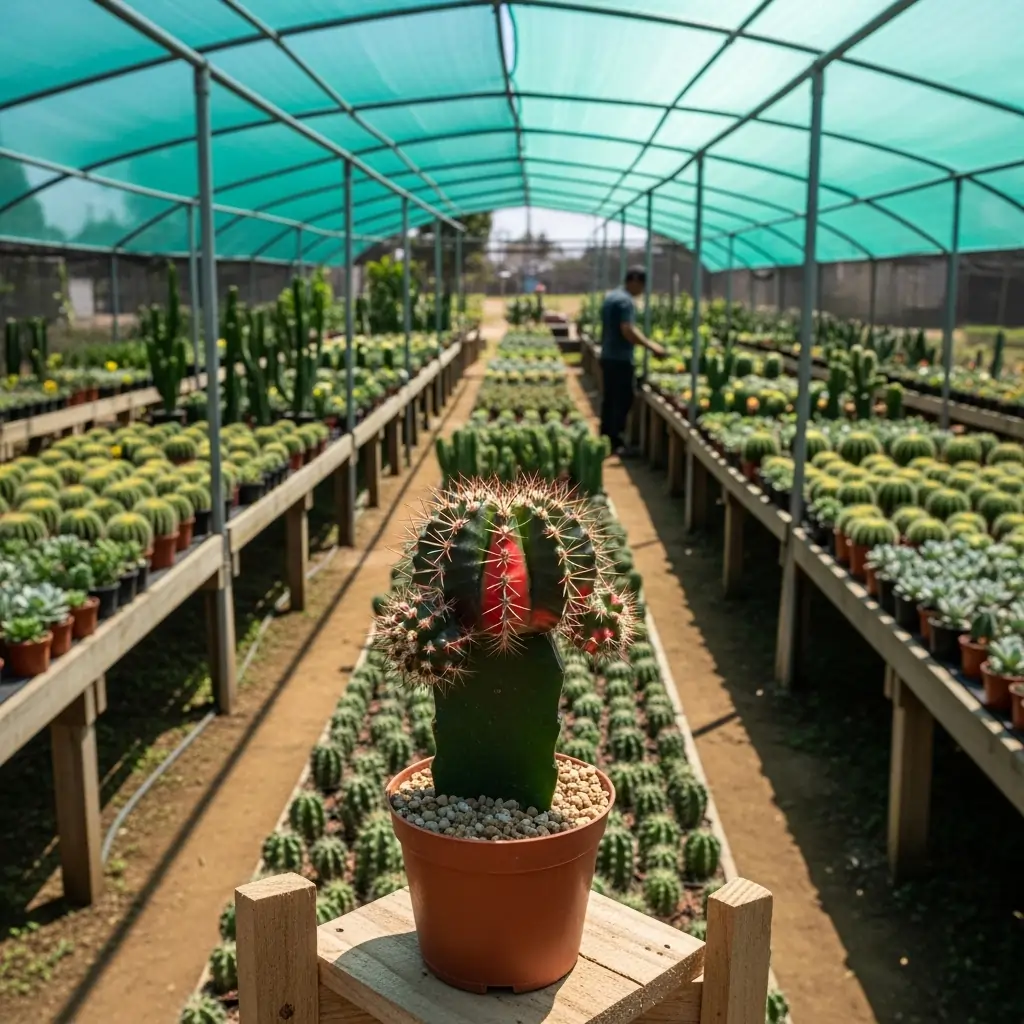
Ruby Ball Cactus
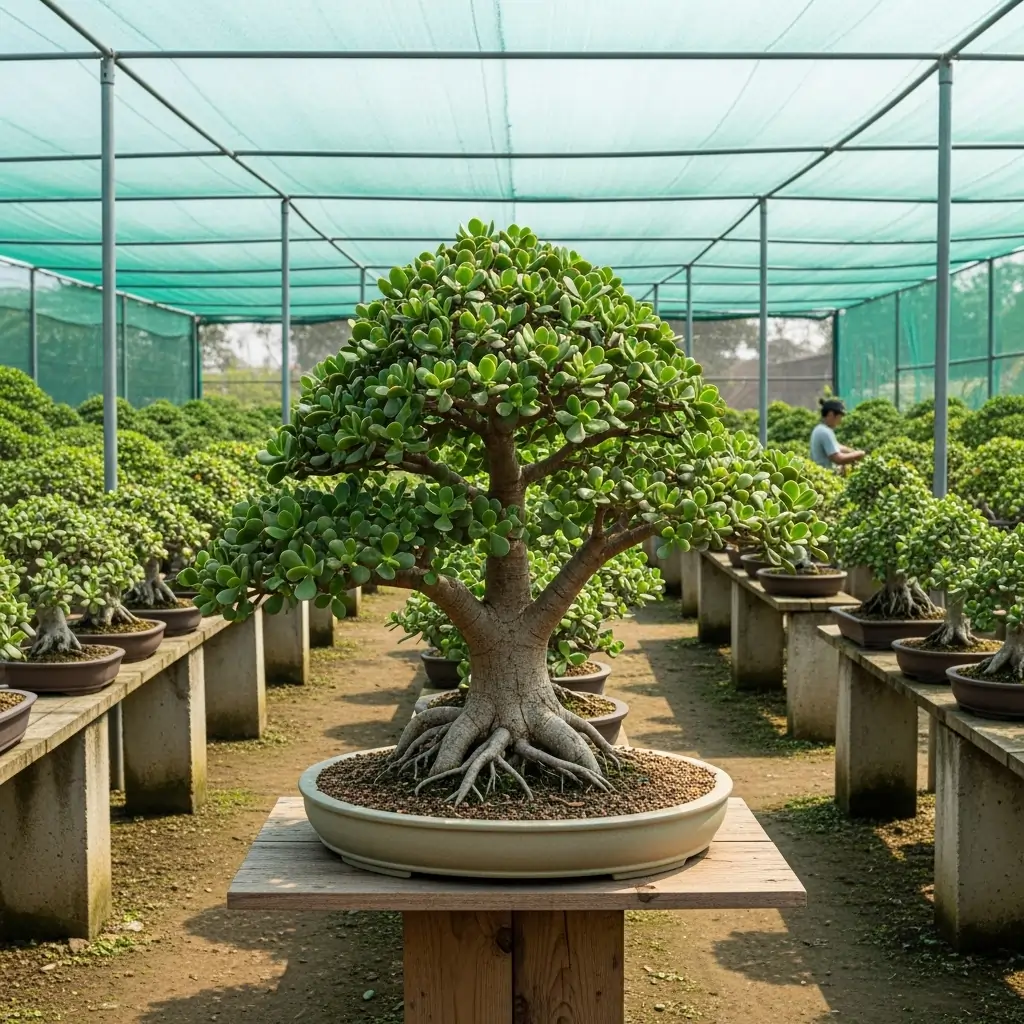
Jade Bonsai Tree