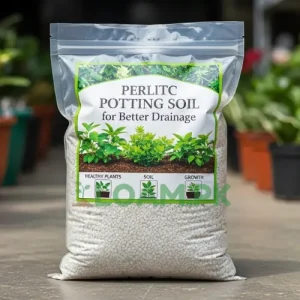
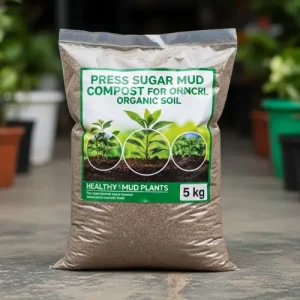
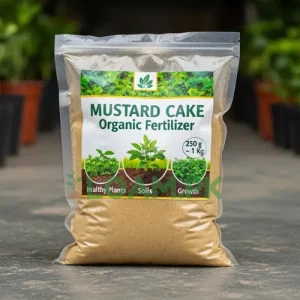
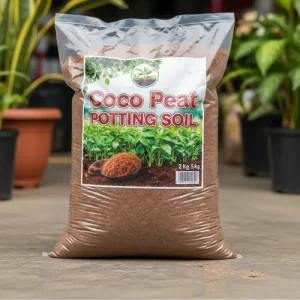
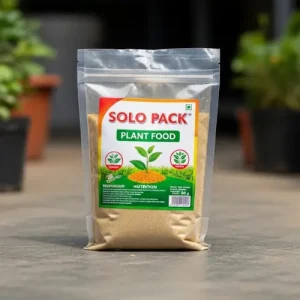
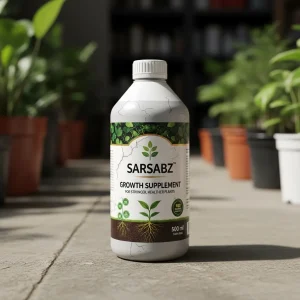
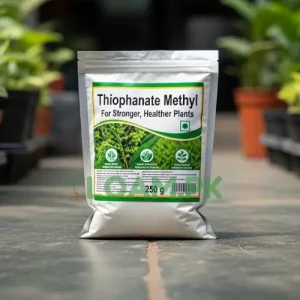
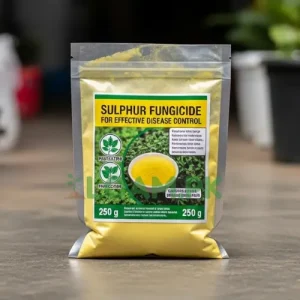
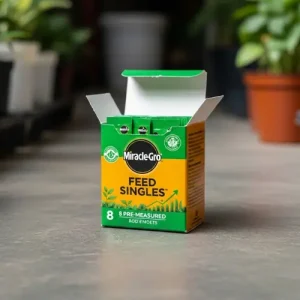
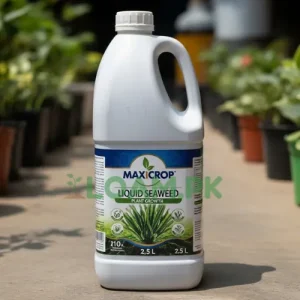
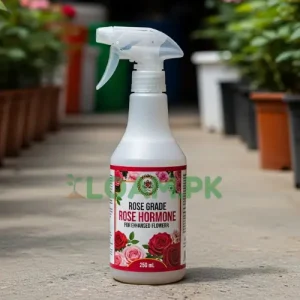
Your plants need more than just water and sunlight. The nutrients in potting soil get depleted over time – especially in containers where there’s no natural replenishment like outdoor gardens. Without fertilizer, plants slowly starve, growth stalls, leaves yellow, and flowering stops.

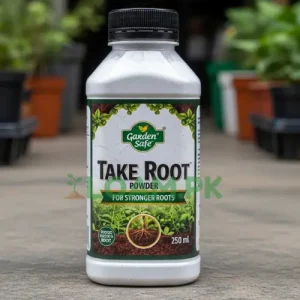
At Loam.pk, we sell plant fertilizer formulated for Pakistan’s gardening conditions. Whether you need best fertilizer for indoor plants, outdoor garden nutrients, organic options, or specific formulas for flowering, vegetables, or foliage – we’ve got solutions that actually work.

No more confused wandering through fertilizer aisles. No more killing plants with wrong formulas or excessive feeding. Just clear guidance and quality products to keep your green friends thriving.

Why Plants Need Fertilizer

Plants manufacture their own food through photosynthesis (that part’s covered by sunlight). But they need raw materials – nutrients – absorbed through roots from soil.

Here’s the problem with container plants:

  • Potting soil has limited nutrients
  • Watering gradually leaches nutrients away
  • No natural replenishment from decomposing organic matter
  • Small soil volume = faster depletion

Outdoor garden plants fare better but still benefit:

  • Pakistan’s soil quality varies (clay in Punjab, sandy in Karachi, rocky in Islamabad)
  • Intensive cultivation depletes nutrients faster than nature replaces them
  • Vegetables and flowering plants are particularly demanding

Signs your plants need fertilizer:

  • Slow or stunted growth
  • Pale or yellowing leaves (especially older leaves)
  • Weak stems
  • Reduced flowering
  • Small leaves compared to normal size
  • Overall lackluster appearance

Fertilizer isn’t “plant food” (plants make their own food). It’s more like vitamins and minerals for plants – essential building blocks for health and growth.

Browse our complete plant collection and pair with appropriate fertilizers for optimal results.

Understanding NPK Ratios (The Numbers on Every Package)

Every fertilizer package shows three numbers like 20-20-20 or 10-5-15. This is the NPK ratio – the percentage by weight of three essential macronutrients:

N = Nitrogen (first number)

  • Promotes leafy green growth
  • Essential for stems and foliage
  • Creates lush, vibrant plants
  • Deficiency: yellowing older leaves, stunted growth

P = Phosphorus (second number)

  • Supports root development
  • Encourages flowering and fruiting
  • Helps seedlings establish
  • Deficiency: purple-tinged leaves, poor flowering

K = Potassium (third number)

  • Overall plant health and vigor
  • Disease resistance
  • Stress tolerance (heat, cold, drought)
  • Helps nutrient movement within plant
  • Deficiency: brown leaf edges, weak stems

Example: 20-20-20 fertilizer contains 20% nitrogen, 20% phosphorus, 20% potassium. The remaining 40% includes micronutrients, fillers, and other compounds.

NPK ratios are comparable: A 10-10-10, 20-20-20, and 5-5-5 all have the same 1:1:1 ratio – just different concentrations. You’d use more of the 5-5-5 to match the 20-20-20’s nutrient delivery.

Types of Fertilizer

Liquid Fertilizer (Fast-Acting & Versatile)

Concentrated liquid or powder that dissolves in water. Applied when watering plants.

Advantages:

  • Quick absorption (results in days/weeks)
  • Easy to control dosage
  • No risk of fertilizer burn if diluted properly
  • Works for foliar feeding (spraying leaves)
  • Ideal for hydroponics
  • Versatile application

Disadvantages:

  • Requires frequent application (weekly to monthly)
  • More effort than slow-release
  • Nutrients leach away with watering
  • Must mix before each use

Best for: Indoor plants, vegetables, flowering plants needing regular feeding, hydroponic systems, quick nutrient correction.

How to use: Dilute according to package directions (typically 1-5ml per liter water). Water plants with diluted solution instead of plain water. Frequency depends on formula – usually every 1-4 weeks.

Popular in Pakistan: NPK 20-20-20 water-soluble, NPK 19-19-19 balanced formulas, specialty liquid organic fertilizers.

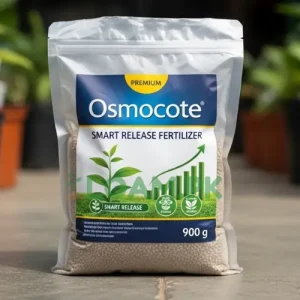
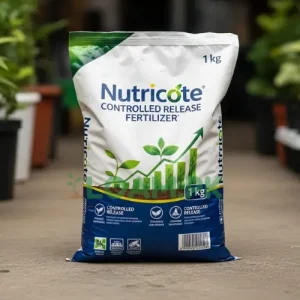
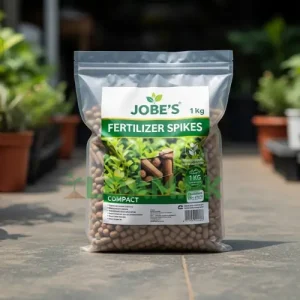
Granular Fertilizer (Slow-Release Convenience)

Pellets, granules, or powder applied to soil surface or mixed into potting mix. Releases nutrients gradually over weeks/months.

Advantages:

  • Long-lasting (one application feeds for months)
  • Convenient (less frequent feeding)
  • Even nutrient release
  • Works well for outdoor gardens
  • Cost-effective for large areas

Disadvantages:

  • Slower initial response
  • Risk of fertilizer burn if over-applied
  • Can’t adjust quickly if issues arise
  • Not ideal for hydroponics or foliar feeding

Best for: Outdoor gardens, landscape plants, large containers, gardeners who prefer infrequent feeding, establishing new plants.

Application: Sprinkle on soil surface around plants, gently work into top layer, water thoroughly. Follow package rates precisely.

Common in Pakistan: NPK granular formulas (various ratios), urea (high nitrogen), DAP (high phosphorus).

Organic Fertilizer (Natural & Soil-Building)

Derived from plant or animal sources: compost, manure, bone meal, fish emulsion, seaweed extract, vermicompost.

Advantages:

  • Improves soil structure and health
  • Feeds beneficial soil microorganisms
  • Slow, steady nutrient release
  • Unlikely to burn plants
  • Environmentally sustainable
  • Adds organic matter

Disadvantages:

  • Lower nutrient concentration than synthetic
  • Slower results
  • Variable nutrient content
  • Can smell unpleasant (especially animal-based)
  • Sometimes more expensive
  • May contain weed seeds (poor-quality compost)

Best for: Environmentally conscious gardeners, building long-term soil health, outdoor gardens, sensitive plants, edible crops.

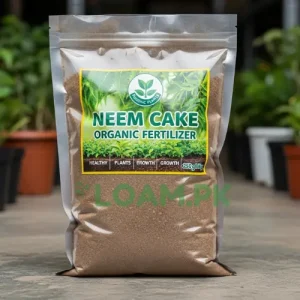
Popular organic options in Pakistan: Vermicompost (worm castings), well-rotted manure (cow, goat, chicken), bone meal, neem cake, seaweed extracts, bio-NPK liquid formulas.

Browse our organic fertilizer selection for natural plant nutrition.

Specialty Fertilizers (Targeted Nutrition)

Formulated for specific plant types or growth stages.

Flowering plant fertilizer: Higher phosphorus (like 10-30-20) to promote blooms. Use when plants are budding or flowering.

Vegetable fertilizer: Balanced nutrition with micronutrients. Often different formulas for vegetative growth vs fruiting.

Cactus/succulent fertilizer: Lower nitrogen, balanced P and K. Prevents excessive soft growth.

Orchid fertilizer: Specific ratios with micronutrients orchids need. Often urea-free.

Citrus/fruit tree fertilizer: Tailored micronutrients (iron, zinc, manganese) fruit trees require.

Lawn fertilizer: High nitrogen for lush grass. Don’t use on houseplants or gardens.

See our [specialty fertilizer range](internal-link: specialty-fertilizers) for targeted plant nutrition.

Best Fertilizer for Indoor Plants

Indoor plant fertilizer needs differ from outdoor formulations. Container plants in controlled environments require balanced, gentle feeding.

Recommended NPK ratios for indoor plants:

  • Balanced: 20-20-20, 10-10-10, or 15-15-15 – Works for most houseplants
  • Foliage plants: 3-1-2 ratio (like 24-8-16, 15-5-10) – Promotes healthy leaves
  • Flowering plants: 1-3-1 ratio or similar – Encourages blooms

Best practices for indoor plant fertilizer:

Dilute properly: Indoor plants in lower light need less fertilizer than package suggests. Start at half-strength, especially for beginners.

Feed during active growth: Spring through summer for most plants. Reduce or stop in winter when growth slows (unless plant is actively growing year-round indoors).

Frequency: Liquid fertilizers every 2-4 weeks during growing season. Slow-release every 3-4 months.

Watch for signs of over-fertilizing:

  • Brown, crispy leaf edges
  • White crust on soil surface (salt buildup)
  • Sudden leaf drop
  • Stunted growth despite feeding

Solution: Flush soil with plain water (let water run through pot several times), reduce feeding frequency, use weaker dilution.

Top choices for indoor plants:

  • Balanced liquid NPK (20-20-20 or similar)
  • 3-1-2 ratio for foliage (like 24-8-16)
  • Organic liquid seaweed or fish emulsion
  • Slow-release pellets for convenience

Popular with Pakistani indoor gardeners: NPK 20-20-20 water-soluble (affordable, effective), NPK 19-19-19 balanced formula, organic liquid bio-fertilizers.

Pair fertilizers with our indoor plant collection  for complete care solutions.

Best Fertilizer for Plants (General Outdoor Use)

Outdoor plant fertilizer can be stronger and more varied than indoor formulas. Different plants have different needs:

Vegetables:

  • Leafy vegetables (spinach, lettuce, coriander): Higher nitrogen (like 30-10-10)
  • Fruiting vegetables (tomatoes, peppers, okra): Balanced then high phosphorus/potassium when flowering (10-10-10 then 5-15-45)
  • Root vegetables (carrots, radishes, potatoes): Moderate nitrogen, higher phosphorus (like 5-10-10)

Flowering plants:

  • Vegetative stage: Balanced 20-20-20
  • Flowering stage: Higher phosphorus (15-30-15 or 10-30-20)

Trees and shrubs:

  • Balanced slow-release granular
  • Occasional liquid feeding during active growth

Pakistan-specific considerations:

Summer (April-September): Plants actively grow, need regular feeding. Use balanced formulas, switch to high-potassium for flowering. Water deeply after fertilizing in heat.

Winter (October-March): Cool-season vegetables and flowers actively grow. Reduce feeding for dormant plants. Perfect for leafy greens and flowering annuals.

Monsoon (July-August): Reduce fertilizer frequency – heavy rains leach nutrients anyway. Apply after monsoon ends.

Shop our outdoor plant fertilizers formulated for Pakistan’s climate.

How to Apply Fertilizer Correctly

Liquid fertilizer application:

  1. Dilute according to package (typically 1-5ml per liter water)
  2. Water plant with plain water day before (prevents root burn)
  3. Apply diluted fertilizer to damp soil
  4. Water lightly afterward if applying strong concentration
  5. Repeat based on schedule (every 1-4 weeks)

Granular fertilizer application:

  1. Water plant day before application
  2. Sprinkle granules on soil surface (follow package rates)
  3. Keep granules away from stems/trunks
  4. Gently work into top 1-2 inches of soil
  5. Water thoroughly after application
  6. Reapply based on product (typically monthly to quarterly)

Foliar feeding (spraying leaves):

  1. Use very dilute liquid fertilizer (half normal strength)
  2. Spray early morning or evening (not midday sun)
  3. Cover both sides of leaves
  4. Supplement, don’t replace, root feeding
  5. Good for quick micronutrient correction

Critical rules:

  • Always follow package directions
  • More is NOT better – excess fertilizer kills plants
  • Water before and after fertilizer application
  • Don’t fertilize stressed plants (drought, disease, extreme temperatures)
  • Reduce frequency in low light – plants can’t use excess nutrients

Organic vs Synthetic Fertilizer

Synthetic (chemical) fertilizer:

  • Concentrated, immediately available nutrients
  • Precise NPK ratios
  • Fast results
  • Cheaper per application
  • Doesn’t improve soil structure
  • Risk of nutrient runoff

Organic fertilizer:

  • Natural sources (compost, manure, bone meal, seaweed)
  • Slow nutrient release
  • Improves soil health long-term
  • Feeds beneficial microorganisms
  • Lower concentration (need more volume)
  • Variable nutrient content

Which is better?

Honestly? Plants can’t tell the difference. By the time nutrients reach roots, organic and synthetic have broken down to identical mineral forms.

Choose based on your priorities:

  • Quick results, precision, convenience: Synthetic
  • Soil building, environmental concerns, long-term health: Organic
  • Best of both worlds: Use both – synthetic for quick feeding, organic to maintain soil quality

For Pakistan’s challenging soils (especially clay), incorporating organic matter (compost, manure) alongside synthetic fertilizer gives best results.

Browse both synthetic and organic fertilizer options in our collection.

Common Fertilizer Mistakes

Over-fertilizing: Most common error. “If some is good, more is better” kills more plants than under-fertilizing. Follow package rates.

Fertilizing dry soil: Burns roots. Always water plants before applying fertilizer.

Wrong NPK ratio: Lawn fertilizer on houseplants, flowering formula on foliage plants. Match fertilizer to plant needs.

Fertilizing dormant plants: Waste of fertilizer. Plants in dormancy can’t use nutrients. Wait for active growth.

Ignoring micronutrients: NPK isn’t everything. Plants also need iron, calcium, magnesium, zinc. Use complete fertilizers occasionally.

Fertilizing sick plants: Fix the problem first (water stress, pests, disease). Then fertilize after recovery.

Not adjusting for light levels: Low-light plants need less fertilizer. Bright-light plants can use more.

Fertilizer Prices in Pakistan

Plant fertilizer prices vary by type, brand, and quantity:

Liquid fertilizers:

  • Small bottles (250ml-500ml): Rs. 300-800
  • Medium bottles (1L): Rs. 600-1,500
  • Bulk sizes (5L): Rs. 2,500-6,000

Granular fertilizers:

  • Small packs (500g-1kg): Rs. 200-600
  • Medium bags (5kg): Rs. 800-2,500
  • Large bags (25kg): Rs. 3,000-10,000

Organic fertilizers:

  • Vermicompost (small bag): Rs. 200-500
  • Cow manure (bag): Rs. 150-400
  • Bone meal/neem cake: Rs. 300-800
  • Organic liquid: Rs. 500-1,200

Specialty fertilizers:

  • Orchid/cactus specific: Rs. 400-1,000
  • Micronutrient mixes: Rs. 500-1,500

At Loam, we offer competitive fertilizer pricing with quality assurance. Bulk discounts available for nurseries and serious gardeners.

Buy Plant Fertilizer at Loam.pk

Ready to feed your plants properly?

Why buy from Loam.pk:

  • Wide selection (liquid, granular, organic, specialty)
  • Clear NPK ratios and application instructions
  • Competitive prices
  • Quality brands and formulations
  • Delivery across Pakistan
  • Usage guides for different plant types
  • Bundle deals available

Whether you need best fertilizer for indoor plants to maintain your houseplant collection or comprehensive outdoor nutrition for vegetable gardens – we’ve got you covered.

Order now. Give your plants the nutrients they deserve.

Type what you are searching for:

YOUR CART

No products in the cart.